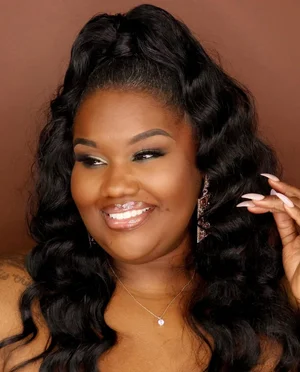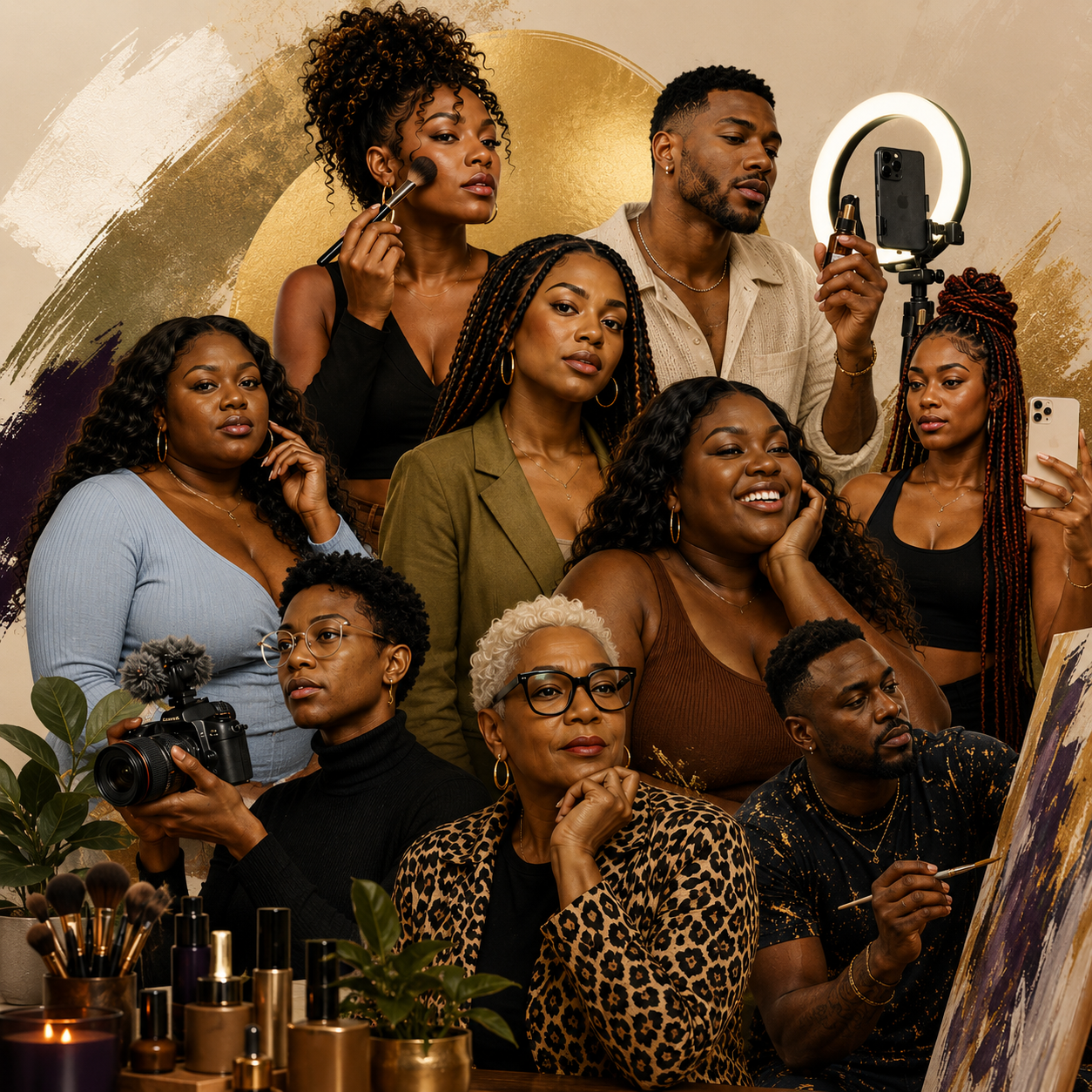
Beauty trends are often born from Black creativity. From groundbreaking makeup techniques and natural hair education to product reviews and cultural conversations, Black beauty creators have long shaped the industry. Their influence can be seen across social media feeds, retail shelves, marketing campaigns, and viral trends. Yet despite their undeniable impact, many Black creators continue to face barriers to visibility, opportunity, and long-term support.
The conversation around diversity in beauty has grown significantly over the past several years, but visibility remains an ongoing challenge. While more brands are featuring Black faces in campaigns and promoting inclusive messaging, many creators still report receiving fewer partnership opportunities, lower compensation, and less exposure than their peers. The issue is not a lack of talent, creativity, or audience engagement. The issue is access.
Visibility is more than being seen. Visibility creates opportunities. It influences who receives brand partnerships, who gets invited to industry events, who is featured in media outlets, and who is considered for long-term collaborations. When creators are consistently overlooked, it becomes harder to build sustainable careers and businesses, regardless of the quality of their work.
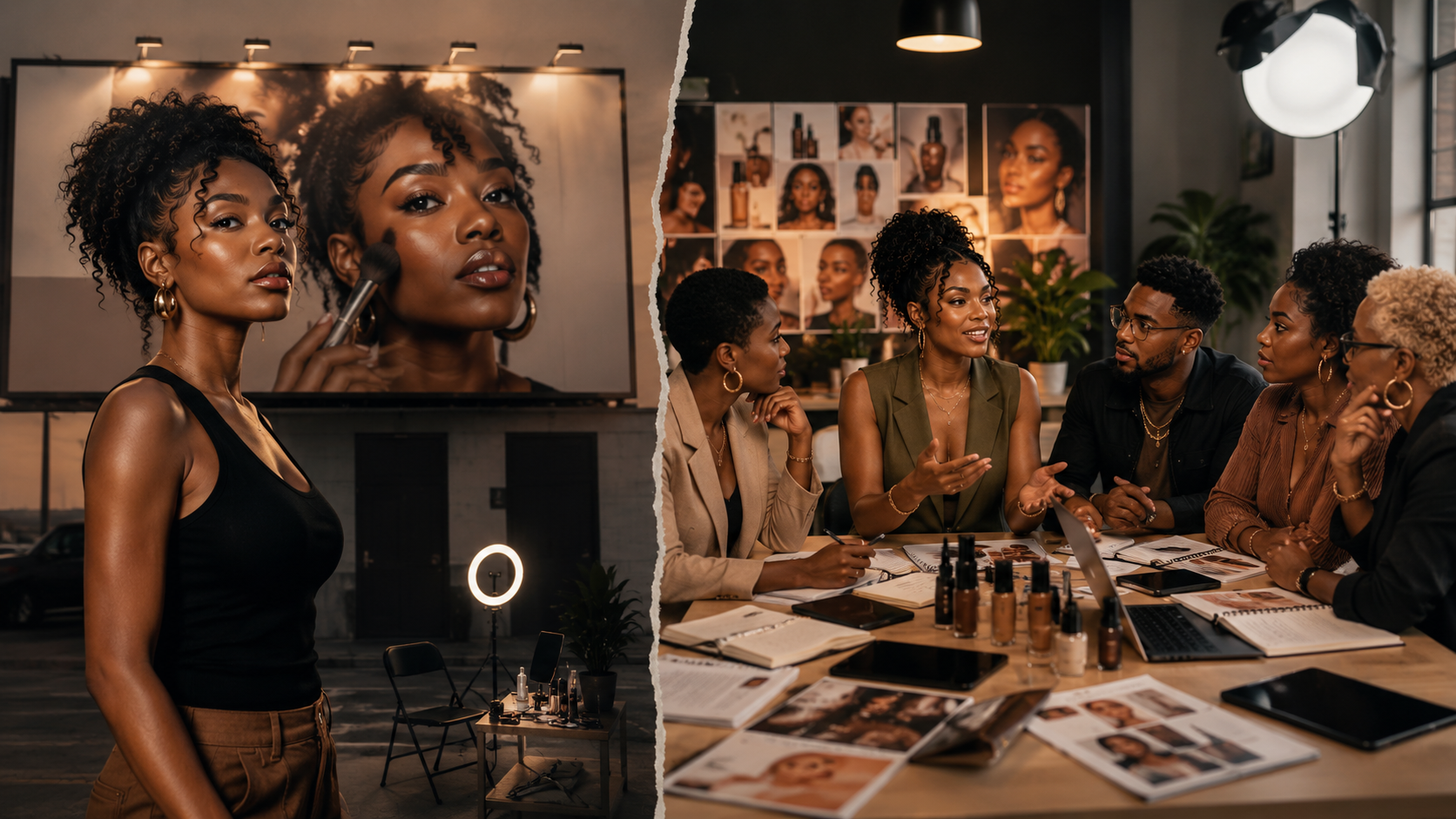
Representation and equity are often discussed as though they are the same thing, but they are not. Representation means being included in the conversation. Equity means having access to the same resources, investments, and opportunities as everyone else. A creator may appear in a campaign, but true progress happens when that creator also receives fair compensation, meaningful partnerships, and opportunities for growth beyond a single moment.
Black creators have contributed immeasurably to the beauty industry. They introduce trends, influence purchasing decisions, educate consumers, and build communities that inspire confidence and self-expression. Their creativity helps drive culture forward, yet too often they must work harder for the same recognition and support afforded to others.
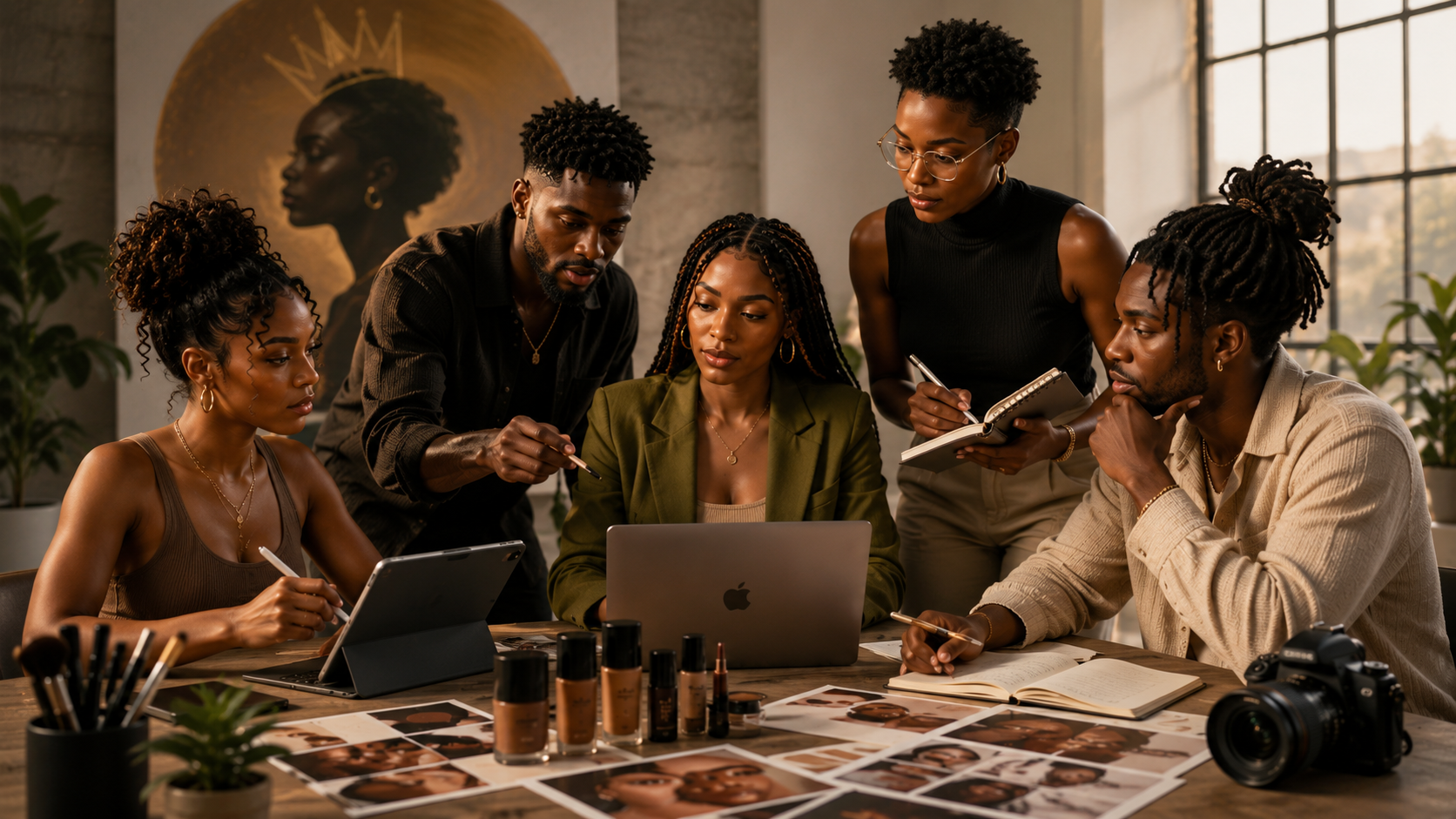
The future of beauty should not be defined by who has the most access, but by who brings the most value. Talent, innovation, authenticity, and creativity should determine opportunity—not proximity to industry gatekeepers. As the beauty industry continues to evolve, there is an opportunity to move beyond performative inclusion and toward meaningful investment in the creators who help shape culture every day.
Black creators deserve to be seen, supported, and celebrated—not because it is a trend, but because their contributions have always been an essential part of the beauty industry. There is no single look, story, shade, size, or voice that represents Black creativity. That diversity is exactly what makes it powerful. When more Black creators are given equitable access to opportunities, the entire beauty industry becomes richer, stronger, and more innovative for everyone.